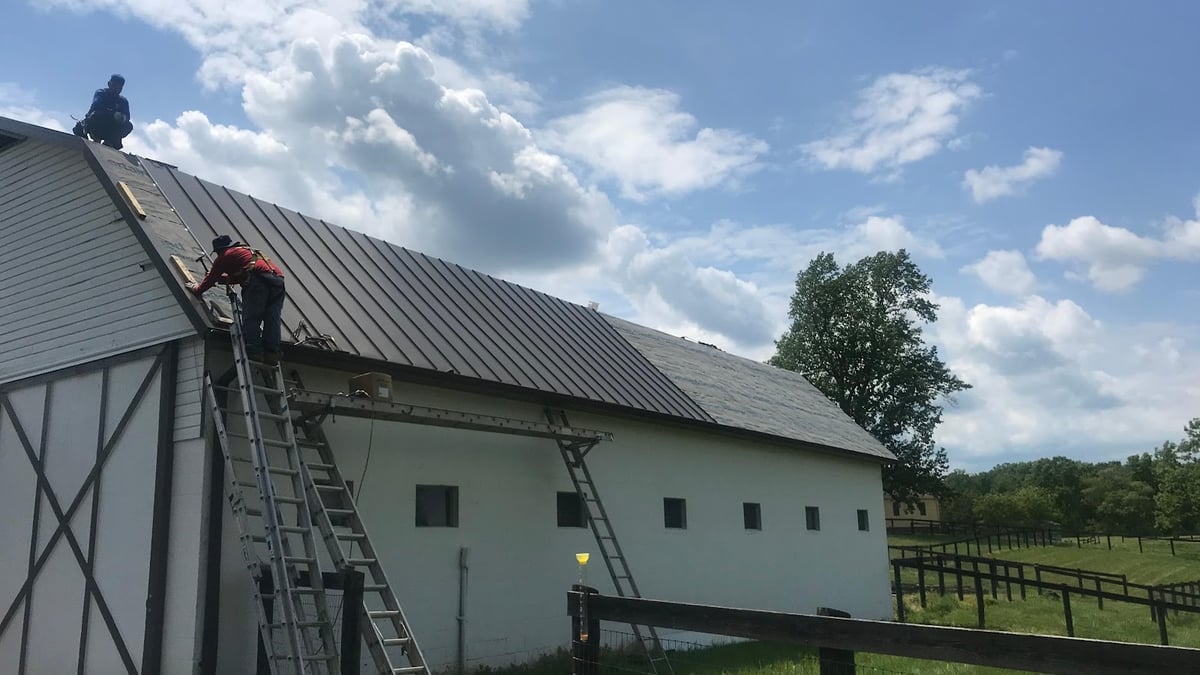
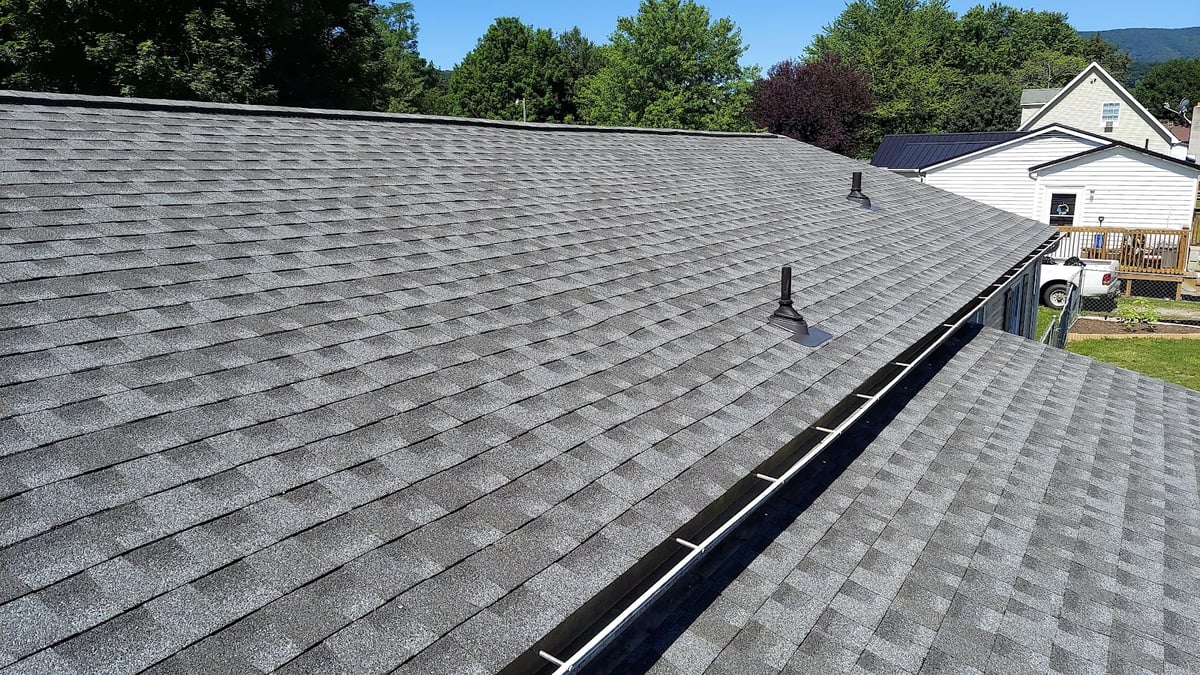
Commercial roof repair matters for homeowners with mixed-use or outbuilding roofs, and small leaks often need quick flashing checks before bigger damage spreads.
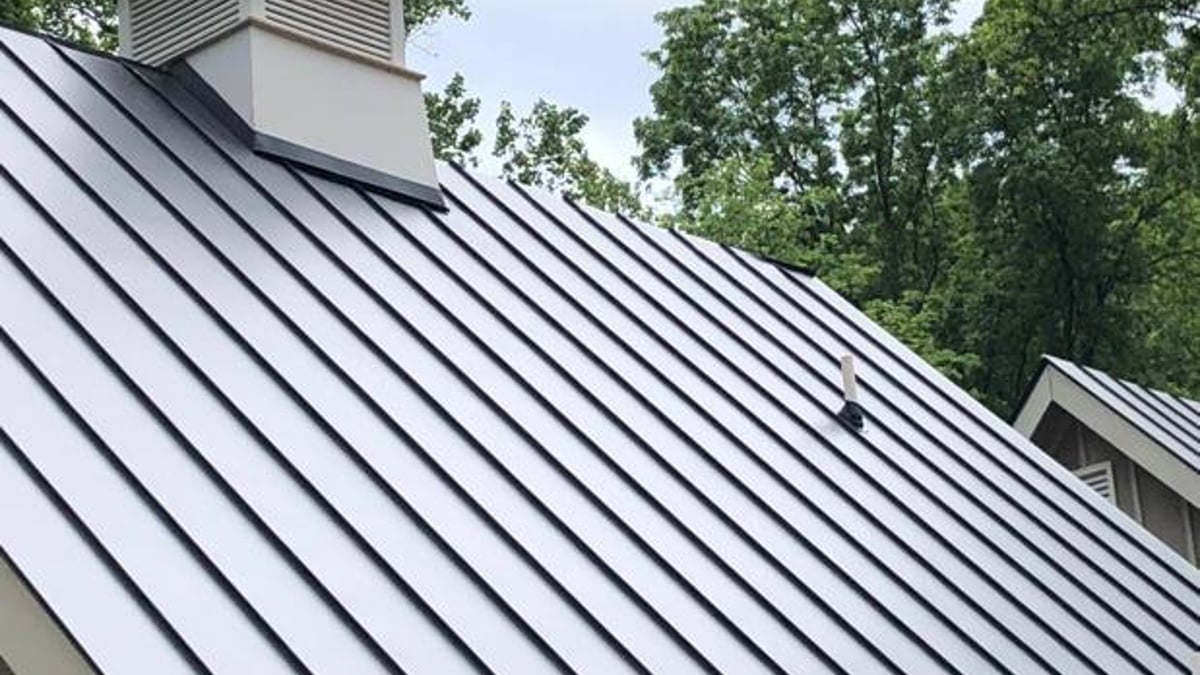
Many people think roof problems are only a shingle issue, but commercial roofs fail in different ways. Seams, flashing, drains, and penetrations often cause the first leak. If you own a mixed-use building, garage, or flat-roof structure, the fix starts with the roof system, not just the wet spot. Commercial roof repair in Staunton, VA usually means finding the source fast, sealing the right area, and stopping water before it reaches insulation or framing.
That difference matters because a patch that works on one roof type can fail on another. We look at how the roof was built, how water moves across it, and where stress shows up first.
Commercial roofs use different materials and drain water in different ways. That means the problem is often not a missing shingle. It may be a split seam, loose flashing, ponding water, or damage around vents and curbs. The repair has to match the roof type, or the leak can come back.
For property owners in Staunton, VA, that usually means a closer look before any patch goes on. We inspect the full area around the leak so we can fix the source, not just the stain inside.
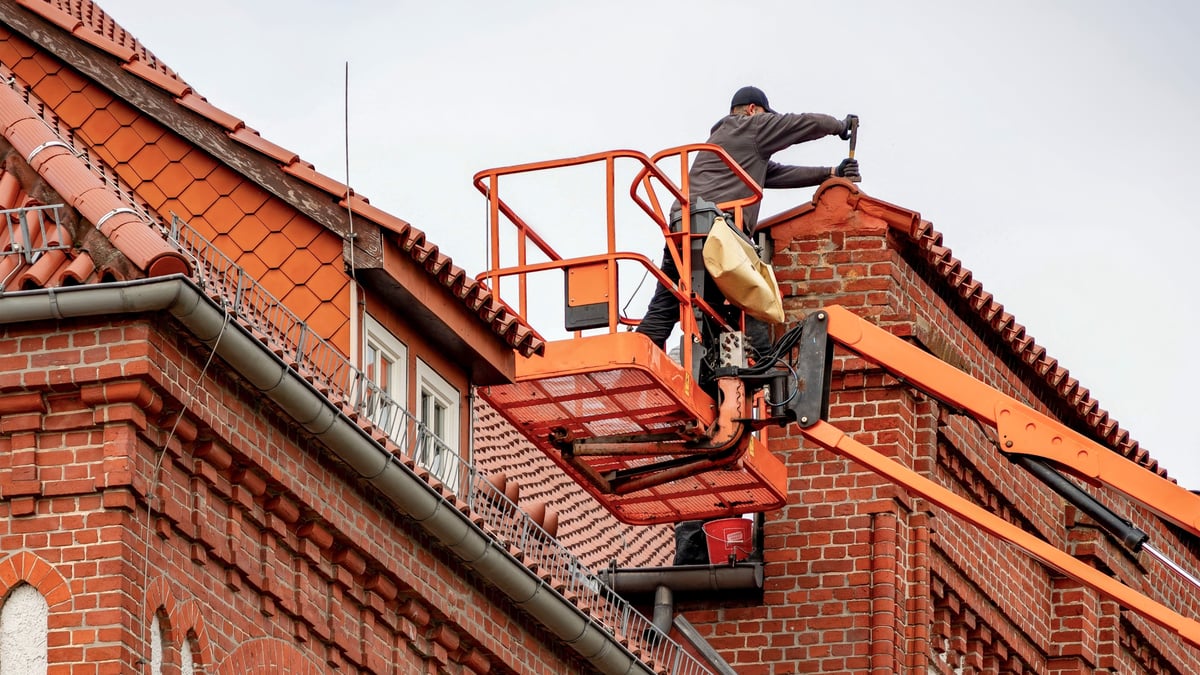
The first signs are often easy to miss. You may see ceiling stains, bubbling paint, damp insulation, soft spots, or water near walls after rain. On the roof, look for cracked sealant, open seams, rust around metal parts, and areas where water stays too long.
If you notice these issues, do not wait for the next storm. A small opening can let in more water each time it rains, which raises the repair scope and can spread damage to the deck below.
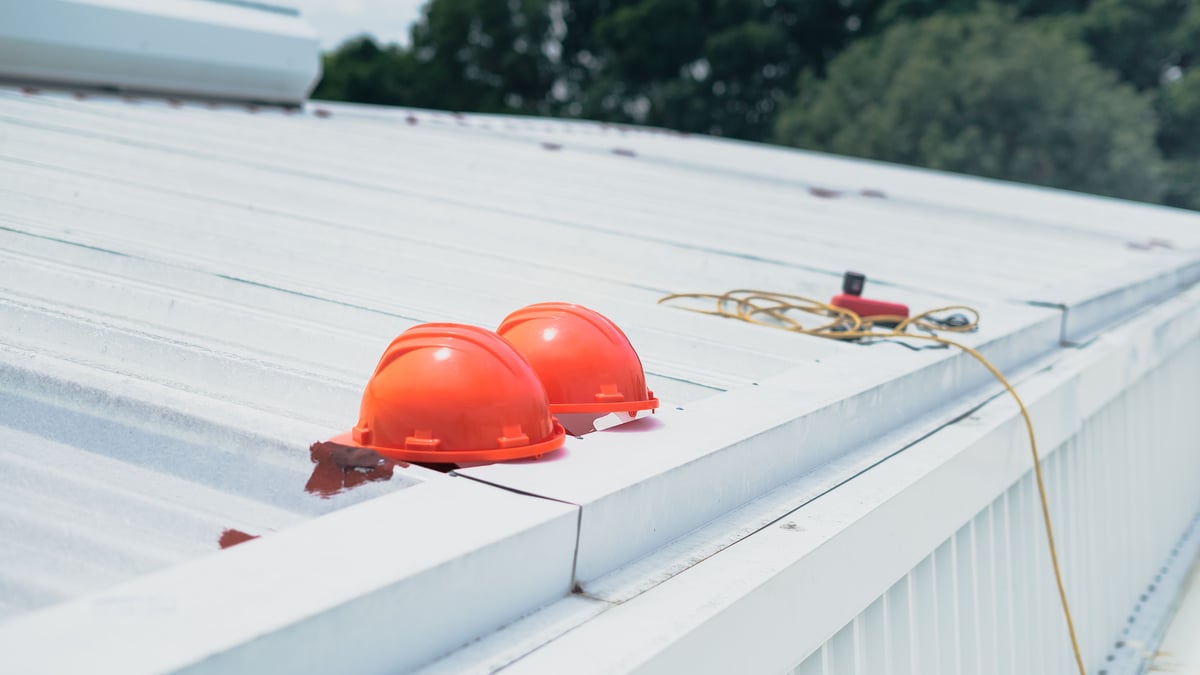
We start with a visual inspection and trace the flow of water across the roof. Leaks often travel before they show inside, so the wet spot is not always the source. We check seams, flashing, drains, edges, and penetrations, then look for signs of wear that match the leak pattern.
After that, we explain what we found in plain words. Test Two Interactive has spent 40 years helping property owners understand what is failing and what can wait. That helps you make a repair choice based on the roof, not a guess.
We focus on the roof areas most likely to fail first: seams, flashing, drain points, edge metal, and any place where pipes or equipment pass through the surface.
The right repair depends on the roofing material, but the goals are similar. We seal the opening, strengthen weak areas, and keep water moving off the roof. Good repairs work with the roof system instead of fighting it.
Common fixes include seam sealing, flashing repair, membrane patching, fastener correction, and drain area repairs. In some cases, one damaged section can be fixed without replacing the entire roof surface.
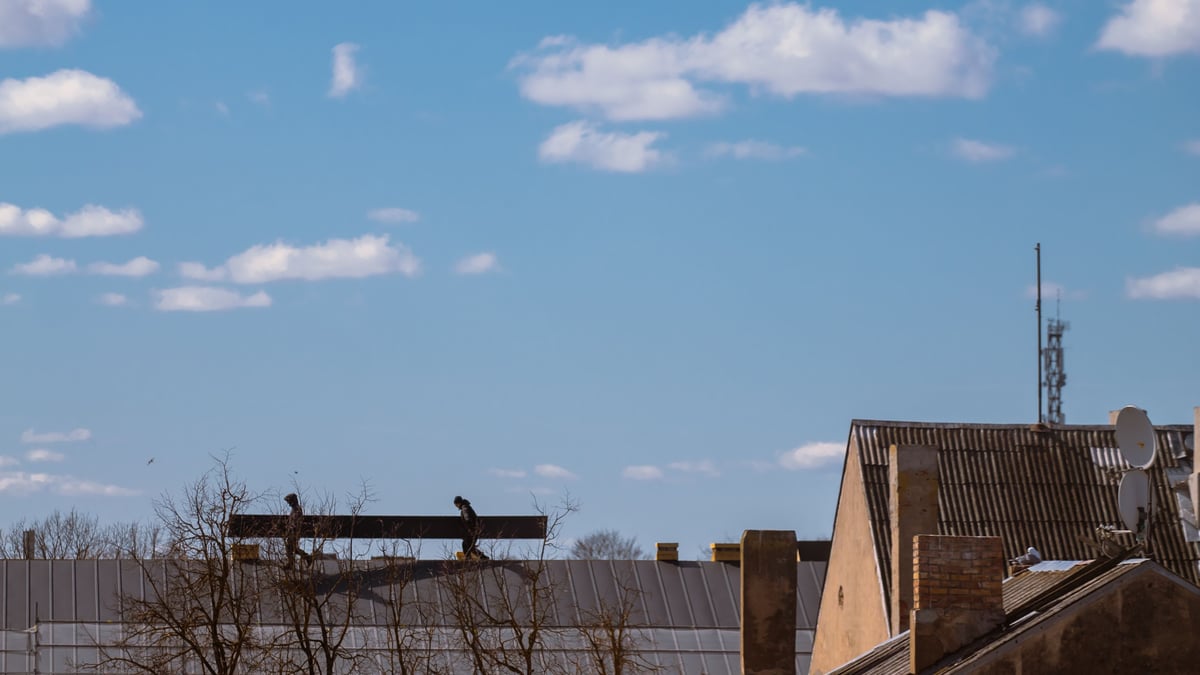
A repair may not be enough if the roof has widespread wear, repeated leaks, or large soft spots. If the surface keeps opening in new places, the roof may be near the end of its useful life in that area. At that point, a larger repair plan can save time later.
We help you compare the condition of the damaged section with the rest of the roof. That makes it easier to decide whether a targeted fix or a broader project makes sense for the building.
If you own a mixed-use property, a detached office, or an outbuilding with a commercial-style roof, keep people away from active leaks and wet ceilings. Place a container to catch water only if it is safe to do so, and avoid walking on a wet roof surface.
Then get the roof checked before the next rain. A fast inspection can prevent interior damage, protect stored items, and reduce the chance of a larger repair later. For a local look at service options, visit our commercial roof repair page.
Open seams, failing flashing, and worn sealant are common causes. Water also enters around drains, vents, and rooftop equipment. The leak may show far from the source, so a full inspection matters before any repair starts.
Many small leaks can be repaired without full replacement if the damage is limited. The key is catching it early. A focused patch, seam repair, or flashing fix can solve the problem when the roof structure is still in good shape.
Roof leaks usually show after rain or when water pools on the roof. Stains near upper walls, around vents, or below roof edges often point to the roof system. A careful inspection helps separate roof problems from plumbing or interior moisture.
A first stain is worth checking right away. Even a small mark can mean the roof surface has already opened. Fast action can limit damage to insulation, drywall, and framing, and it often keeps the repair smaller.
If you have a leak, soft spot, or seam issue on a commercial-style roof, do not wait for the damage to spread. A careful repair starts with finding the source and matching the fix to the roof type. If you want help from a local crew that has served this area for 40 years, reach out for a free quote.