Commercial roof repair FAQ for Staunton, VA homeowners covering signs, fixes, and when to call after leaks, ponding, or seam damage appear.
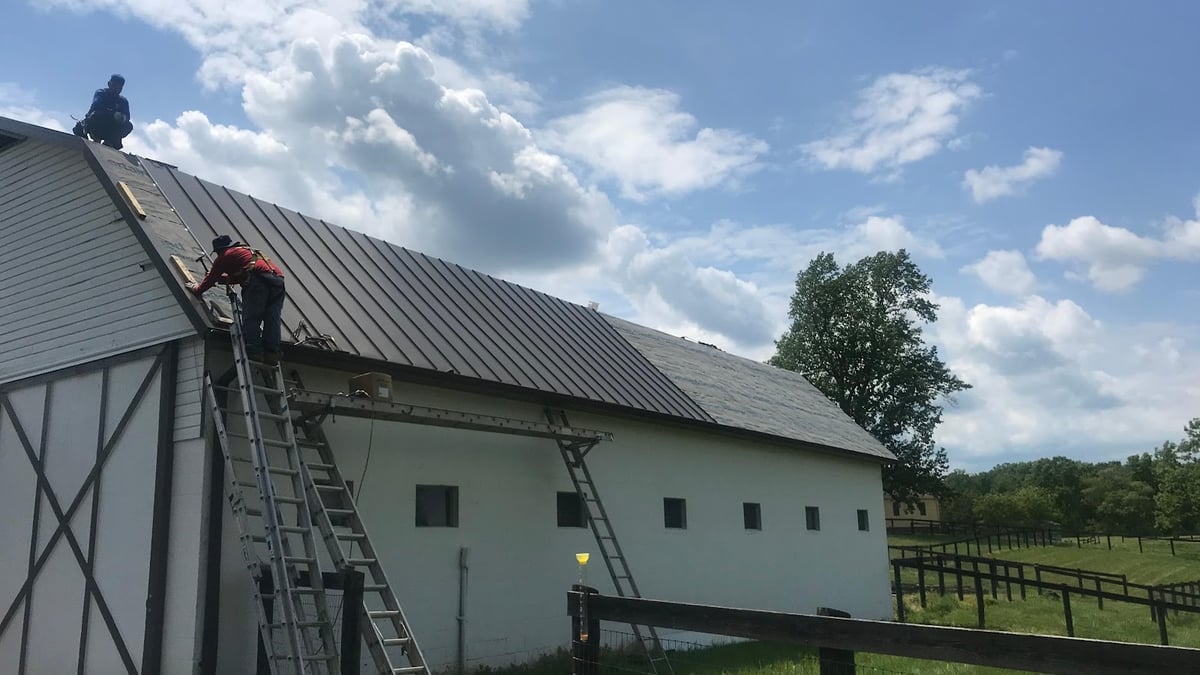
A roof leak on a business property can create stress fast, especially if you are a homeowner who helps manage a rental, office, or small building. Questions about damage, repair options, and timing come up right away. Commercial roof repair is the service that fixes leaks, seam problems, punctures, and drainage issues before they spread.
This FAQ roundup explains the questions people ask most before they call for help in Staunton, VA. It focuses on what repairs are common, what signs matter, and how to think about cost, timing, and next steps without guessing.
Test Two Interactive has served property owners for 40 years, and we often help people sort out small roof problems before they turn into larger ones. If you need a broader repair overview, start with commercial roof repair and use this guide to know what to ask.
Commercial roof repair fixes damage on business-style roofs, such as leaks, torn flashing, open seams, punctures, soft spots, and drainage trouble. It can involve a small patch or a larger fix, depending on how far the problem has spread.
The goal is to stop active damage and protect the building below. For homeowners with rental units, mixed-use buildings, or small offices, this kind of work can keep a minor issue from becoming a bigger one.
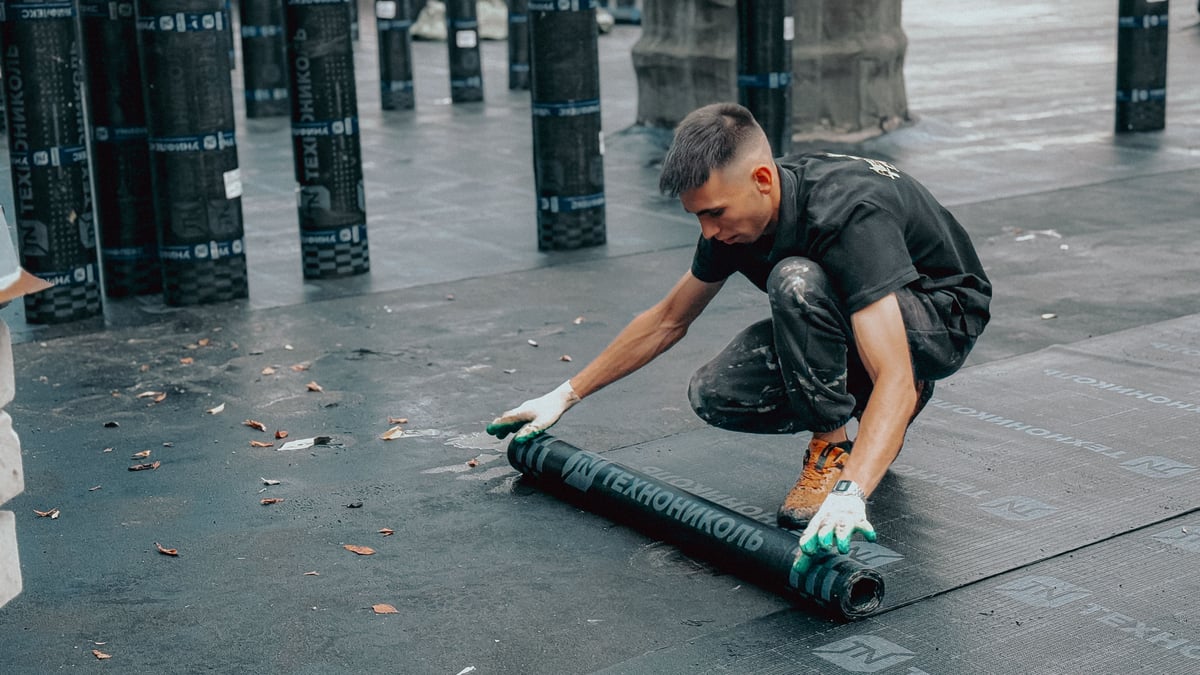
A repair makes sense when the damage is limited to one area and the roof still has solid overall structure. Replacement is more likely when leaks are widespread, the surface is worn out, or past patches keep failing.
The best clue is pattern. One leak near a seam may point to a repair. Many leaks across different spots may point to a larger project. An inspection can show which path fits the roof instead of guessing from one stain.
If you want to compare options, a local crew can inspect the roof and explain whether roof repair is enough or if a bigger fix is smarter for the long run.

A repair is often the right call when damage is narrow and the roof system is still doing its job. Common signs include a single leak, a small puncture, loose flashing, or one section of standing water that formed after heavy rain.
The most common warning signs are water spots, blistered roof material, loose seams, pooling water, and peeling caulk around edges or vents. Inside the building, you may also notice drips, musty odors, or stained ceiling tiles.
These signs matter because roof damage often starts small. A seam can open before a leak appears inside. Catching the problem early can shorten the repair and protect insulation, framing, and interior finishes.
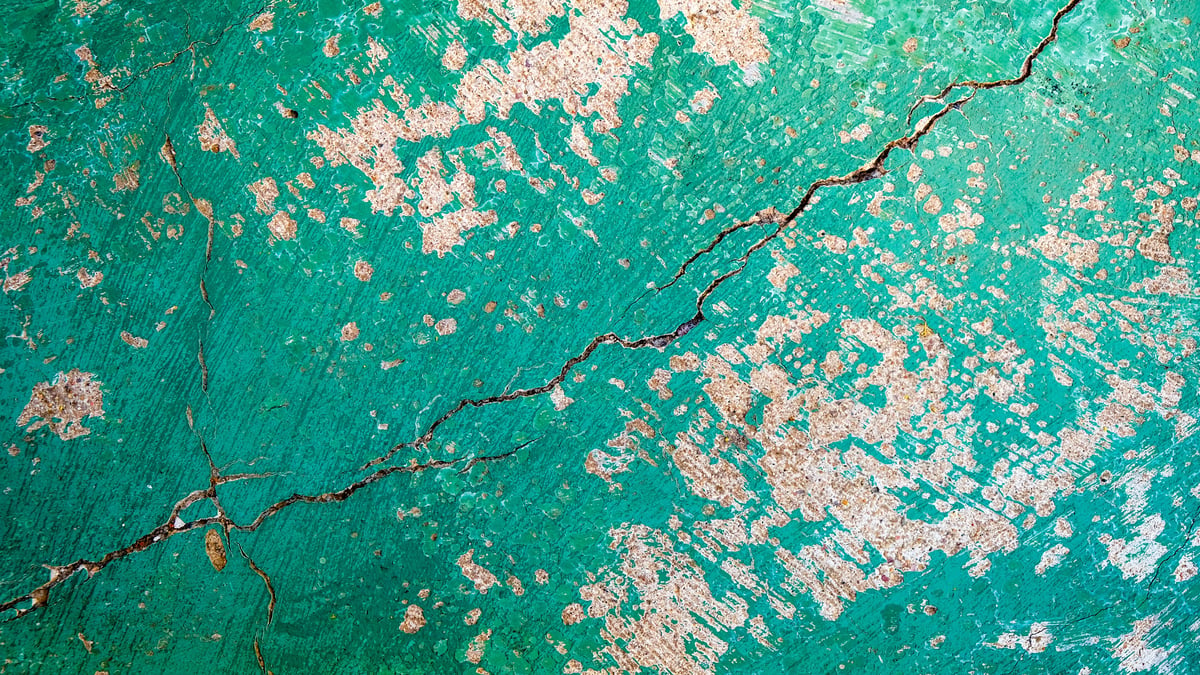
Repair time depends on the size of the damage, the roof type, and weather conditions. A small patch can be handled quickly. A larger repair that needs drying time, sealing, or extra prep can take longer.
The cleanest way to plan is to schedule an inspection first. That lets the roofer see whether the work is simple or more involved. It also helps you reduce delays by lining up access, materials, and the right weather window.
Ask clear questions before any work starts. You want to know what failed, what the fix includes, and whether the roofer sees other problems that need attention. Straight answers help you compare proposals and avoid missed details.
A good roof conversation should cover the cause of the damage, the repair method, the condition of the rest of the roof, and what signs to watch after the work is done. If you live in Staunton, VA, local knowledge also helps with planning and access.
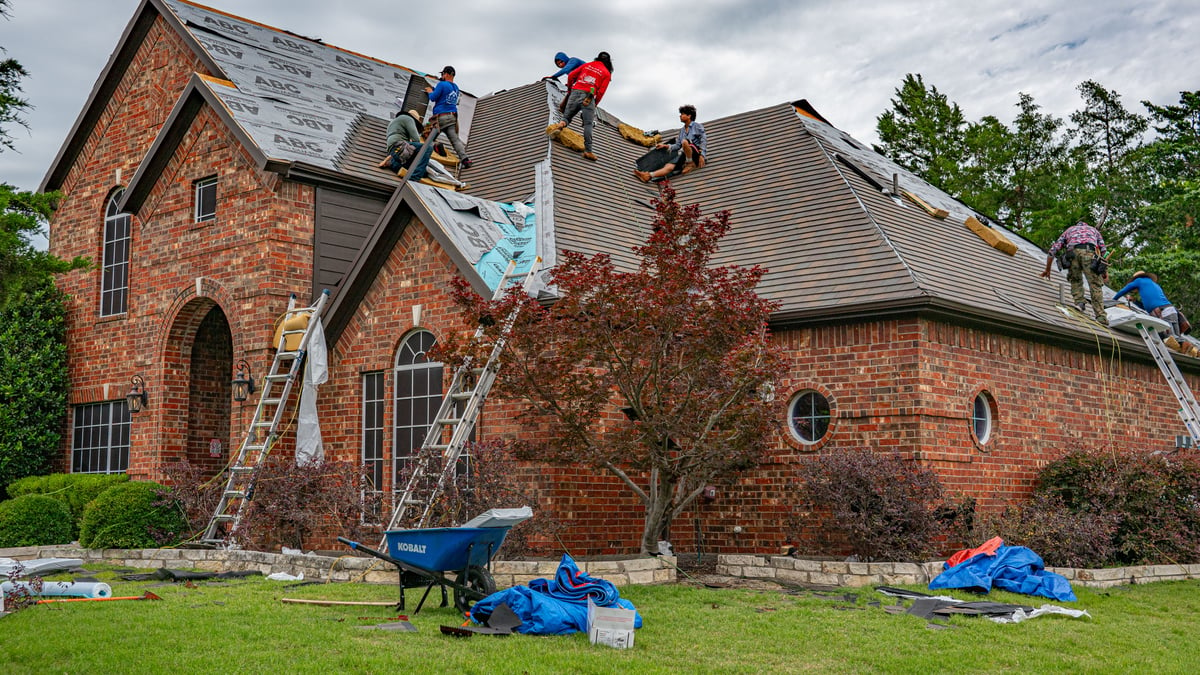
You can limit damage by catching leaks early, moving valuables away from wet spots, and documenting the problem with photos. If water is active, place a container under the drip and try to keep the area clear until help arrives.
Do not climb onto the roof unless you are trained and it is safe. A roof surface can be slick or weak in spots. A quick call for inspection is safer than trying to force a temporary fix on your own.
Small leaks turn into bigger problems because water travels. It can move through insulation, stain ceilings, and weaken materials far from the original opening. A minor seam issue can become a broad interior repair if it stays open.
That is why many owners try to act early. A modest fix is often simpler than waiting for repeated water entry. A timely check can also show whether the roof has one weak point or several.
For homeowners managing a business property, this is often the main reason to schedule commercial roof repair as soon as signs appear instead of waiting for the next storm.
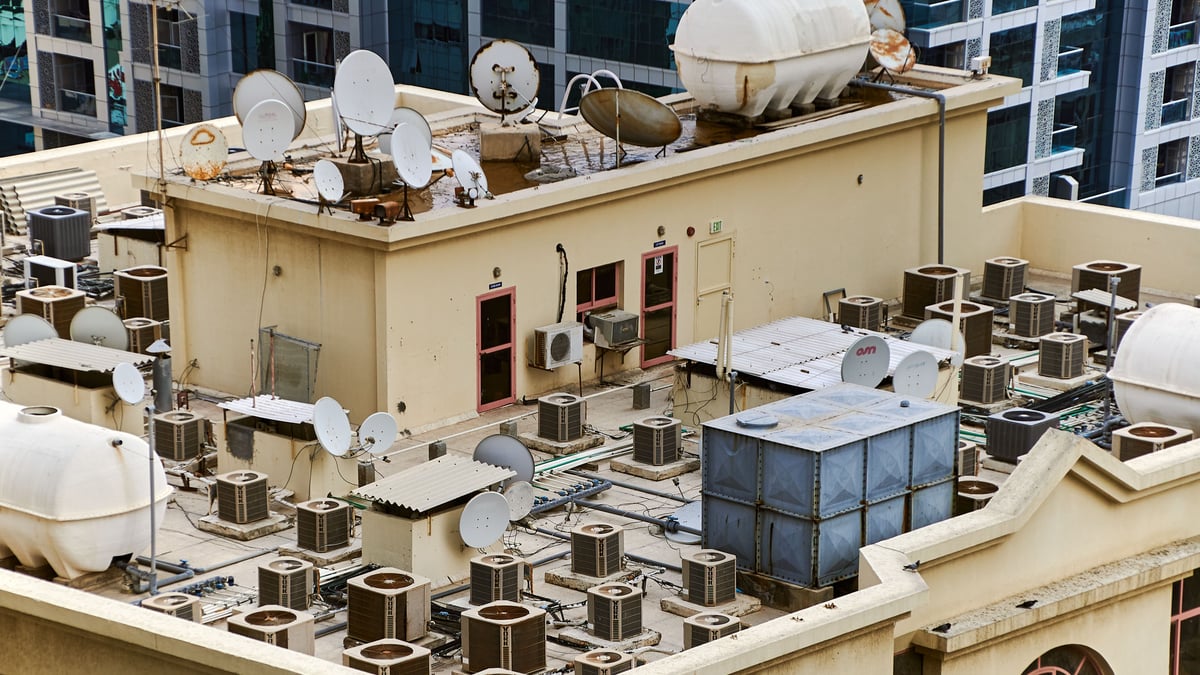
A repair can stop recurring leaks if the source is found and fixed fully. If the roof has several weak spots or deeper wear, a patch may only solve part of the issue. That is why an inspection matters before choosing the fix.
An inspection helps after a storm if you notice lifted edges, debris impact, ceiling stains, or new drips. Even if the roof looks fine from below, hidden damage can let water in later. A quick check can catch that early.
Seams, flashing, drains, and roof edges often fail first because they take more stress than flat open areas. Foot traffic can also wear down certain spots. These weak points are common places for leaks to start and spread.
A roof should be checked regularly and after major weather events. Routine checks help spot loose seams, clogged drains, and early wear before they turn into leaks. Regular attention can also extend the useful life of the roof system.
If you are seeing stains, seam gaps, or standing water, the next step is a roof check. We can help you sort out the problem and decide on the right repair path. Reach out for a quote and get clear answers before the damage grows.