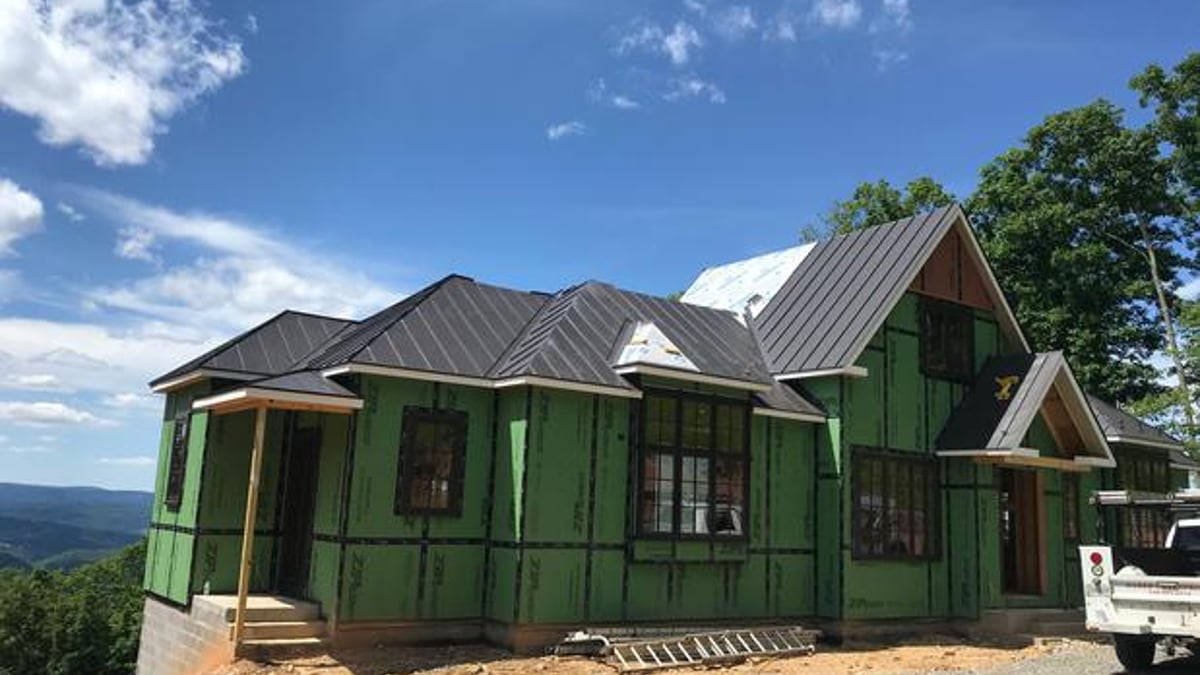
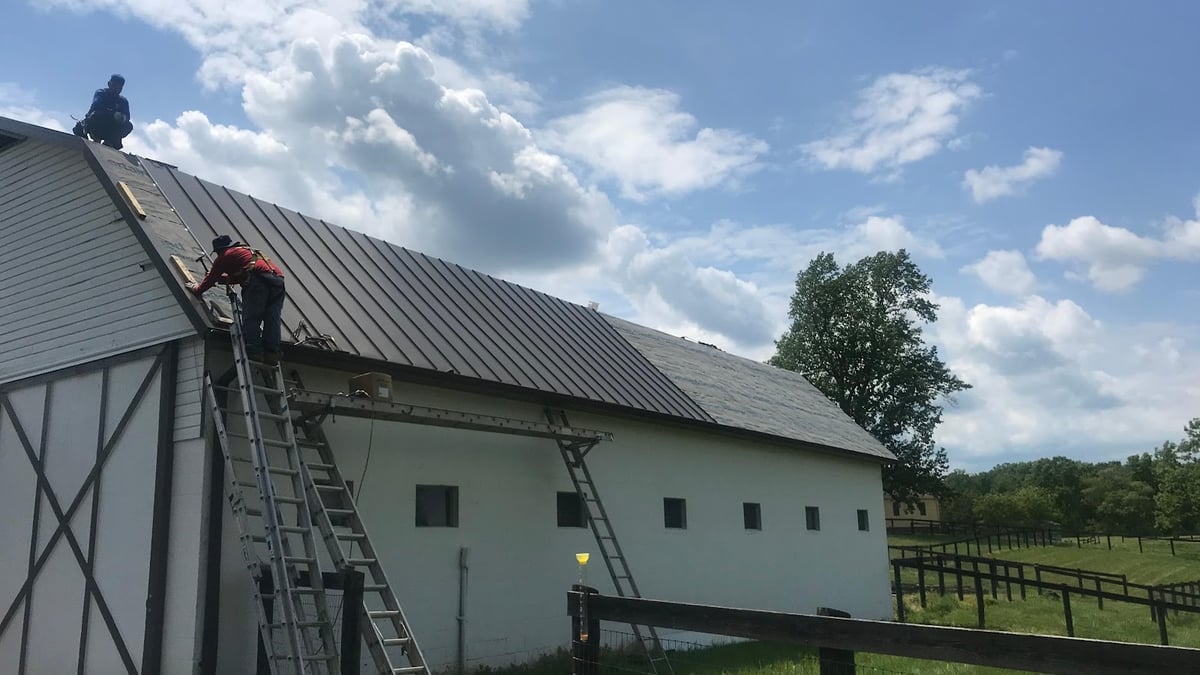
New construction roofing in Staunton, VA starts with the right roof deck, material, and warranty details, plus 40 years of local know-how.

Planning a new home and wondering what roof choices matter most? New construction roofing affects cost, curb appeal, and how well your home performs from day one. The best roof for your build is the one that fits your budget, your home design, and the long-term maintenance you can handle.
A new roof is easier to plan before framing is finished than after drywall goes up. That gives you more control over material choice, ventilation, and the final look from the street.
Test Two Interactive has served homeowners for 40 years, and we help buyers compare roof choices without turning the process into guesswork.
Start with the parts of the roof that shape performance, not just looks. A smart roof choice depends on the home design, the pitch of the roof, the material you want, and how much upkeep you are ready to handle after move-in.
If you are comparing options early, use a new construction roofing plan that covers structure, style, and budget together. That keeps you from choosing a product that looks good on paper but creates extra work later.
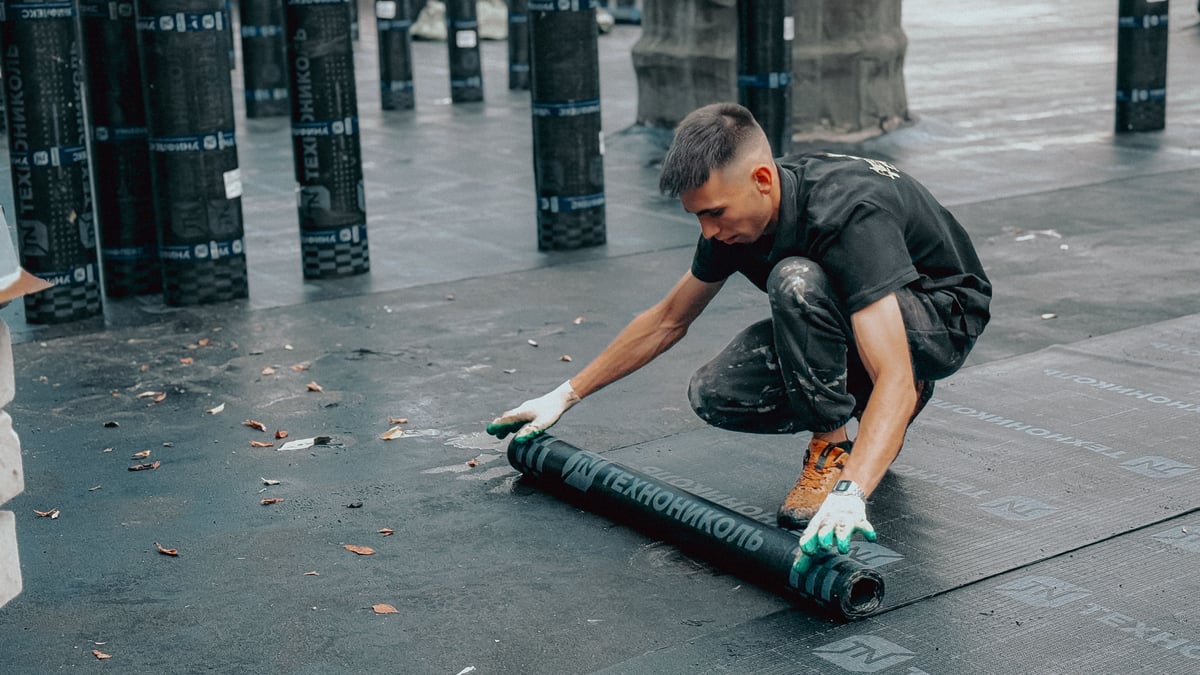
Cost starts with size, shape, and material. A simple roof usually takes less labor than a roof with many valleys, dormers, or steep areas. More detail means more time, more flashing, and more skill during installation.
Material choice also changes the budget. Some roofs cost less up front but need more care later. Others cost more at the start and may last longer or need less attention. The right choice depends on how long you plan to stay in the home.
A roof with more hips, valleys, or penetrations needs more precision. That adds labor and can increase waste. A simpler layout often lowers the total cost because it uses materials more efficiently and takes less time to install.
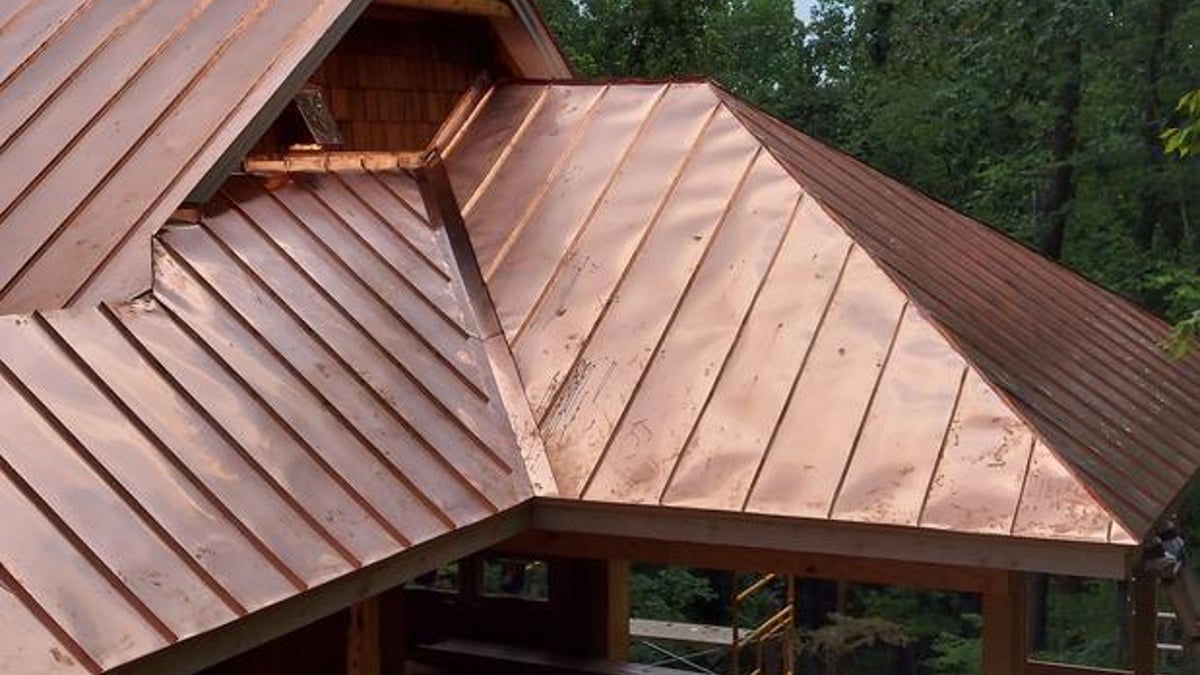
The best material is the one that matches your goals for cost, style, and care. Homeowners often compare asphalt shingles, metal roofing, and other specialty choices based on how they look and how long they are expected to perform.
If you want help weighing the options, a roofer who works on new construction roofing can explain what each material means for your frame, your budget, and your plans for the home.
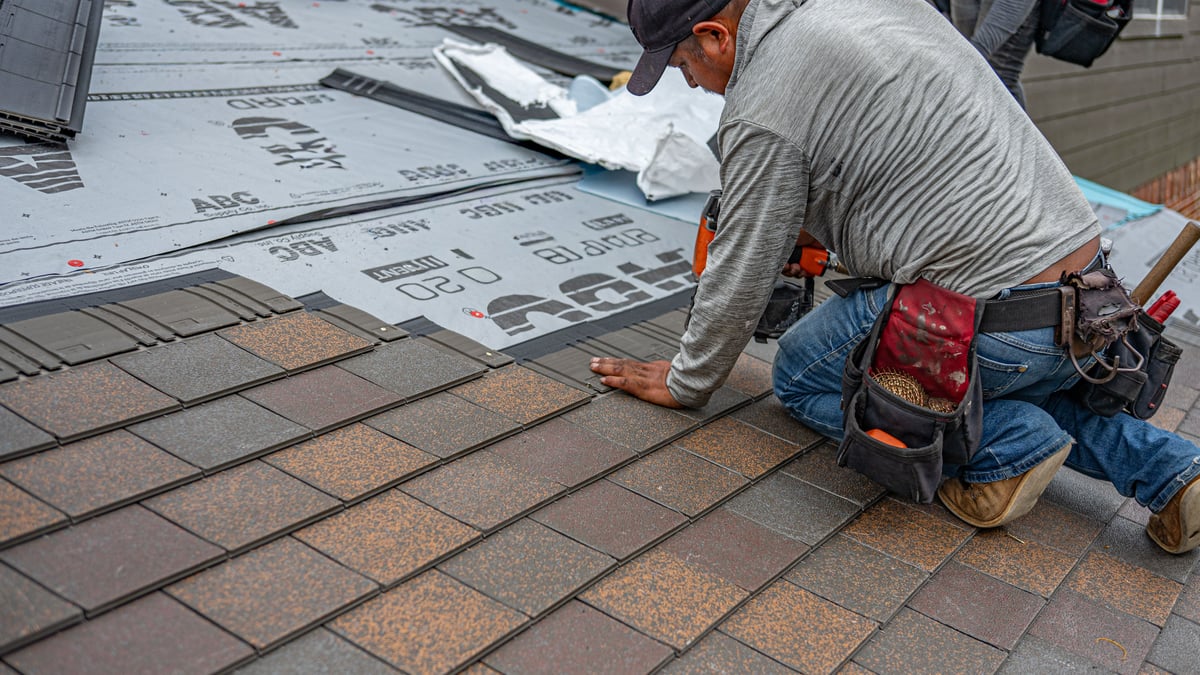
A good roof system is more than the visible surface. Underlayment, flashing, drip edge, and ventilation all help the roof do its job. If those parts are skipped or rushed, the finished roof can fail sooner than expected.
Ask for the full plan before installation begins. That plan should cover the roof deck, moisture protection, edges, penetrations, and attic airflow. These details matter just as much as the outer material.
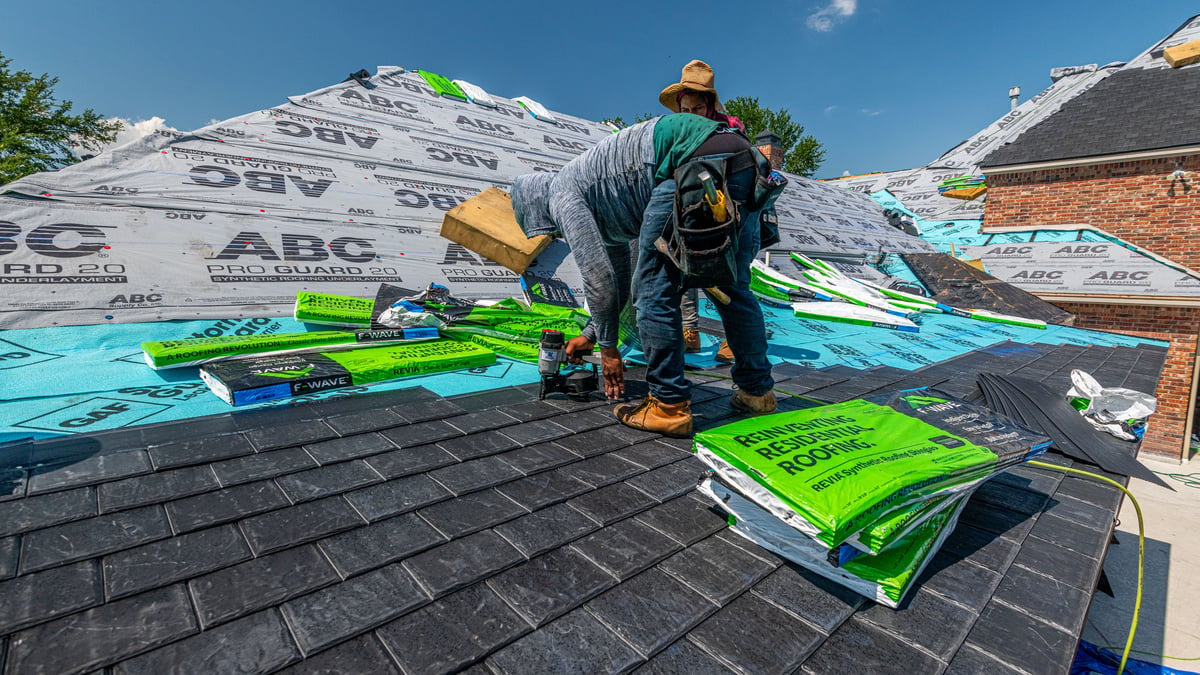
Ventilation helps control heat and moisture inside the attic. That can protect the roof deck and support better long-term performance. It is easier to correct during construction than after the home is finished.
A fair bid should be clear enough for you to compare line by line. If one quote looks lower, check what is missing. The cheapest number is not always the best value if it leaves out key parts of the roof system.
Test Two Interactive recommends asking for the same details from every contractor so you can compare apples to apples. That includes the material brand, the scope of work, and what happens if hidden issues show up during the build.
A useful estimate lists the roof system, not just the surface material. If the quote only gives one total number with no detail, ask for a breakdown. A clear bid helps you protect your budget and reduce surprises later.
The right questions help you spot weak spots in a proposal before work begins. You want a contractor who can explain the system, the schedule, and the handoff after the job is done.
If you are building in Staunton, VA, ask for answers in plain words. That makes it easier to compare options and avoid confusion once construction starts.
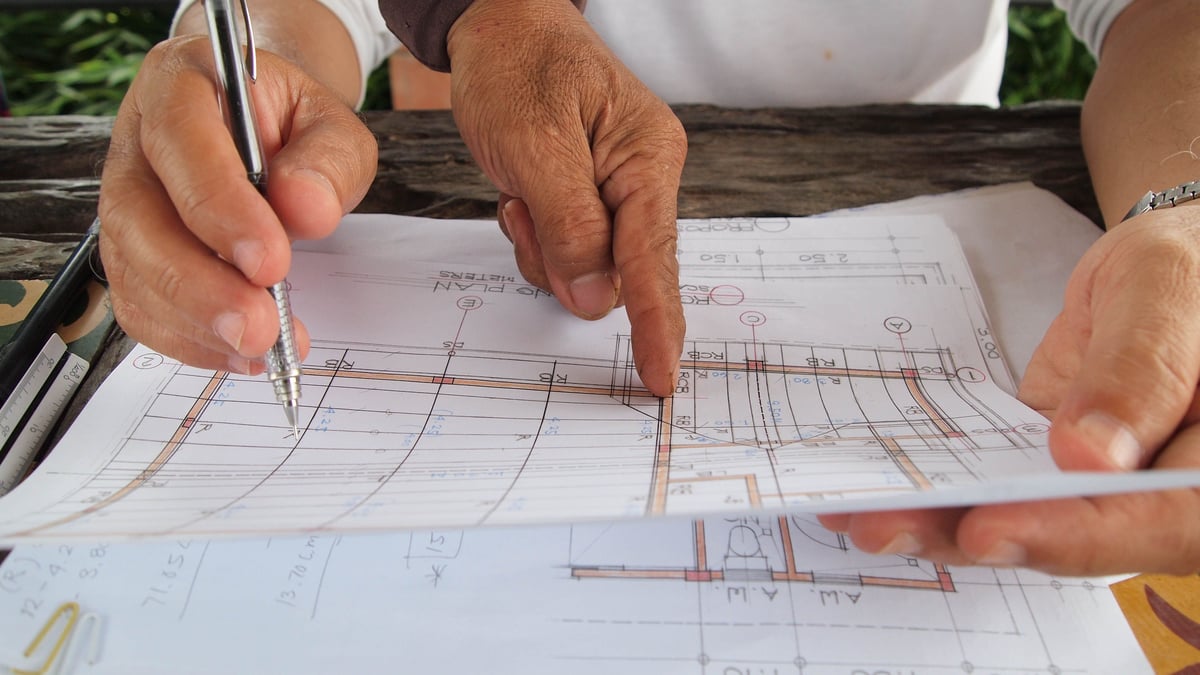
A new roof lasts longer when you keep simple records and inspect it on a regular schedule. Save the estimate, material paperwork, and warranty documents in one place. That makes future service easier if you ever need it.
If you want a roof that is easier to manage later, choose a material and design that match your upkeep habits. Simple choices now can save time and cost over the life of the home.
The best material depends on your budget, roof shape, and how long you plan to own the home. Asphalt shingles fit many builds, while metal can suit longer-term goals. The right pick is the one that matches the whole project, not just the first price.
Roofing decisions are easier before framing is closed up. Early planning helps with slope, support needs, ventilation, and material fit. It also gives your contractor time to flag issues before they become costly changes during the build.
A better quote is clear, complete, and easy to compare. It should list material type, underlayment, flashing, ventilation, and labor coverage. A low price can hide missing parts, so detail matters as much as the final number.
Custom homes often need more planning because roof lines can be more complex. A contractor can help you compare material weight, installation needs, and finish details so the roof fits the design and the build stays on track.
The right roof choice is easier to make before the home is finished. Compare materials, ask clear questions, and check the full system, not just the shingles. If you want help reviewing your options, reach out for a quote and a simple project conversation.