Roof repair FAQ for Staunton, VA homeowners covering leaks, storm damage, timing, and when a simple patch is enough to protect your home.
What should you do first if your roof starts leaking or you spot missing shingles? Roof repair can feel urgent, but the right first step is simple. Inspect the damage safely, contain any interior leak, and schedule a professional roof check before small problems spread. Roof repair is the right move when damage is limited and the roof still has life left.
Homeowners in Staunton, VA often want to know if a roof issue needs a quick fix or a larger project. The answer depends on where the damage is, how much area is affected, and whether the roof deck is still sound.
At Test Two Interactive, we have spent 40 years helping homeowners sort out repair questions with clear answers. This FAQ roundup covers the issues people ask about most, so you can make a smart call before the problem grows.
A roof usually needs repair if the damage is limited to one area, the roof is still shedding water properly, and the structure beneath the shingles looks sound. If you see widespread wear, repeated leaks, or sagging, a larger solution may be the better choice.
The easiest way to tell is to look at the age of the problem, not just the size. One missing shingle after a storm may be a repair. Multiple soft spots, chronic leaks, or heavy granule loss often point to a deeper issue. If you want a focused fix, our roof repair service is built for that kind of job.
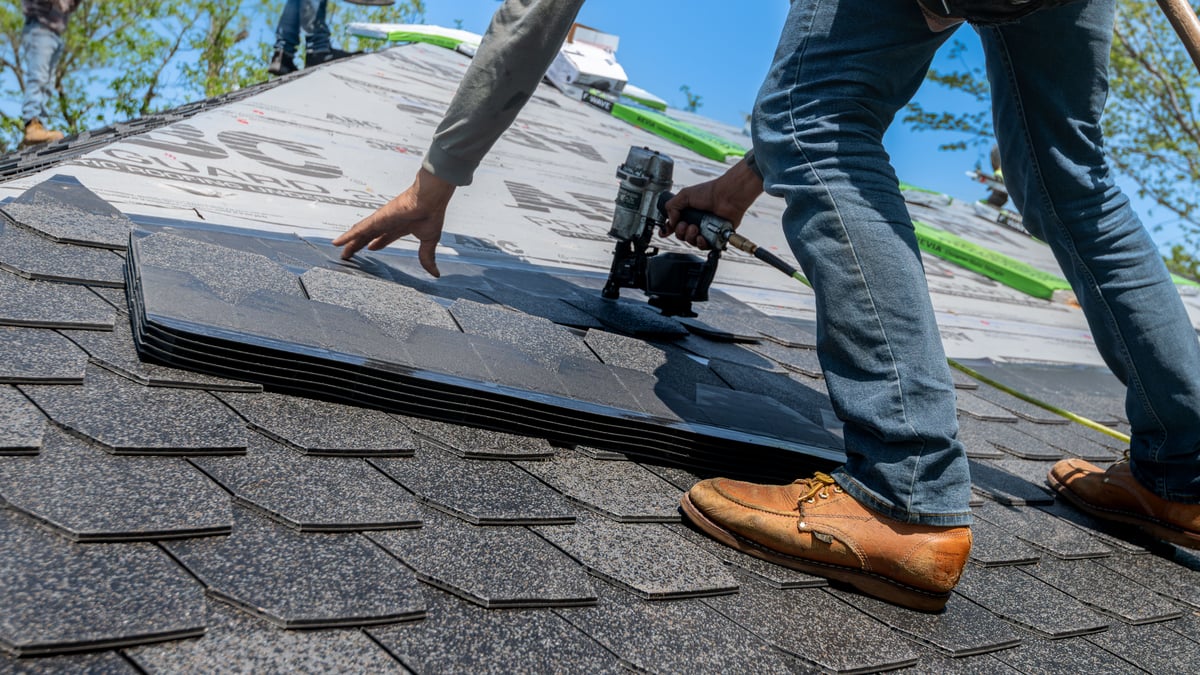
The most common warning signs are missing shingles, curling edges, cracked flashing, ceiling stains, and shingles that look worn or bare. You may also notice shingle debris in the yard or gutters, which can mean the roof surface is breaking down.
These signs do not always mean a full replacement. Many homes only need focused repairs at the source of the leak or around roof edges. The key is to catch the issue early, before water works into the roof deck or attic.
A small leak should not wait long, even if it seems minor at first. Water often travels away from the visible drip, so the damage can spread into insulation, drywall, and framing before you notice it inside the house.
A fast response gives you more repair choices and can keep the fix smaller. If you already see a stain, peeling paint, or wet insulation, schedule an inspection soon. A short delay can turn a small patch into a larger repair job.

Move furniture away from the leak, place a container under the drip, and take photos of the damage. If water is pooling near lights or outlets, stay clear of the area and get help right away.
Wind and hail can loosen shingles, bruise the roof surface, break seals, and damage flashing. The problem is not always easy to see from the ground, so a roof can look fine while still letting water in.
After a storm, look for shingles on the ground, dents on vents, or new debris in the gutters. If you spot any of these signs, a close check can tell you whether the roof needs a patch, seal work, or a larger repair plan. In Staunton, VA, quick follow-up matters after storm damage.
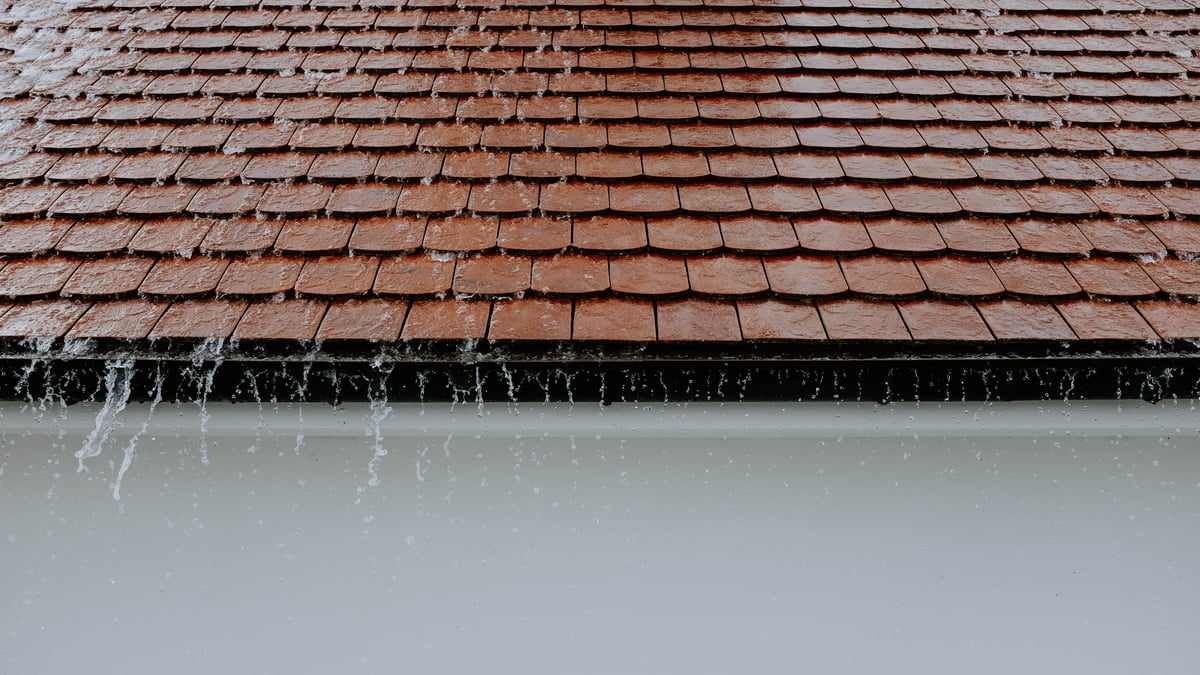
A repair visit usually starts with a visual inspection of the roof, attic, and leak area. From there, the roofer looks for the source of the problem, checks nearby materials, and explains what can be fixed now versus what should be watched.
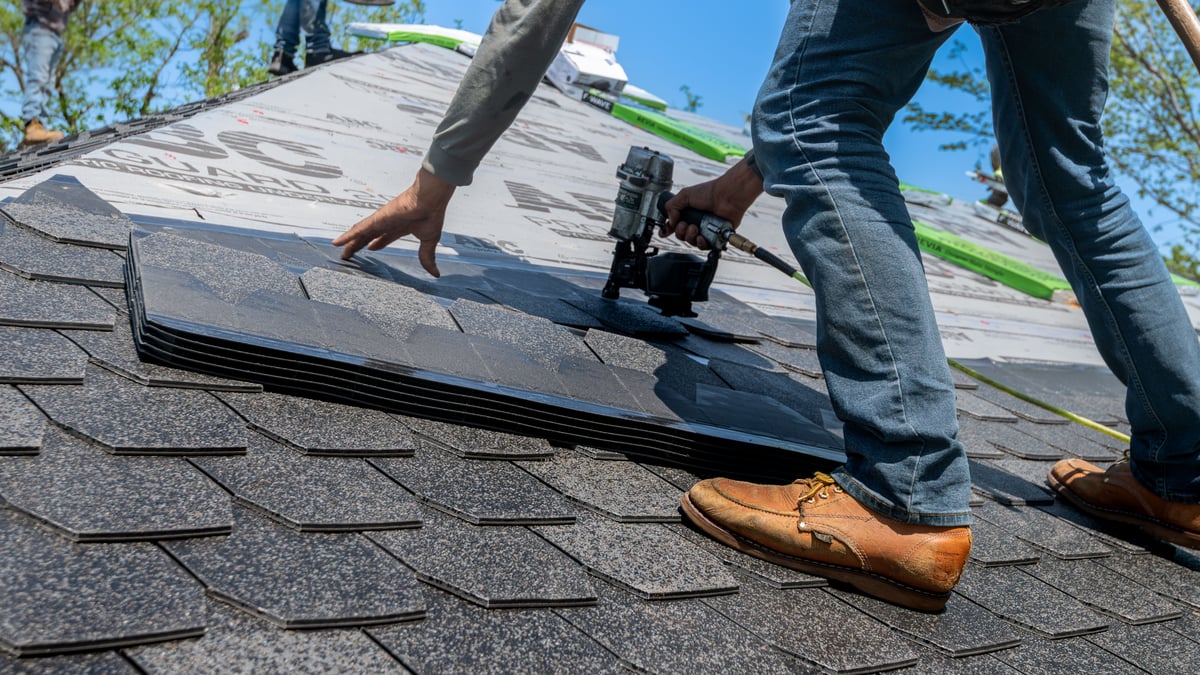
The goal is to match the repair to the real problem. That may mean replacing damaged shingles, sealing flashing, fixing nail pops, or addressing worn areas around roof openings. Clear photos and plain language help you understand the next step.
Repairs near active leaks, roof edges, and flashing are the ones to handle first. These spots let water move quickly into the home, so delay can cause interior damage and make the repair more involved.
If a problem affects a small section, fixing it now can save money later by protecting the rest of the roof. Test Two Interactive often helps homeowners decide which repairs are urgent and which can wait a bit longer without added risk.
The best way to keep repair costs down is to act early and stay on top of small issues. Regular checks after storms, clean gutters, and quick follow-up on stains or loose shingles can stop a minor problem from spreading.
You can also reduce surprise damage by keeping attic spaces dry and watching for changes after heavy rain. A repair that happens early often stays focused. A repair that waits too long can involve wood, insulation, and interior finishes too.

A leak can cause damage fast because water often spreads beyond the visible spot. Within a short time, it can soak insulation, stain drywall, and weaken wood. The safest move is to inspect and repair the source as soon as you notice it.
Many roof repairs can be done in one section if the damage is limited and the surrounding shingles still perform well. A roofer will check the nearby area first to make sure the patch will blend and hold up properly.
Look for wet insulation, dark stains on wood, musty smells, and daylight coming through the roof deck. These clues can help find the leak source and show how far water has moved before it reached the living space.
Being home can help if the roofer needs access to an attic or wants to explain findings in person, but it is not always required. What matters most is clear access, a safe work area, and a way to share photos or notes.
A roof problem is easier to fix when you act early and get a straight answer about the damage. If you are seeing stains, loose shingles, or storm wear, ask for a roof check and learn what needs repair now. We can help you sort out the next step.