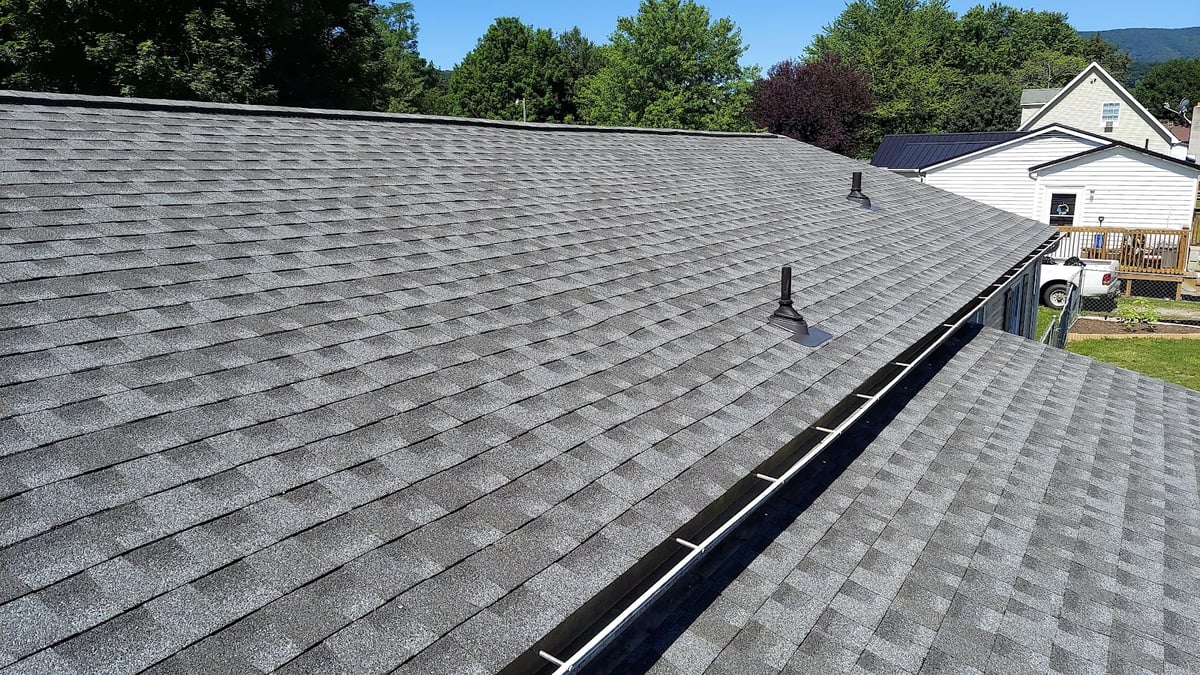
Fixing a roof problem early can save you from bigger water damage, stained ceilings, and costly inside repairs. This guide shows you how to spot the source, gather the right tools, make a safe temporary fix, and decide if the job is small enough for you to handle. Roof repair starts with a safe inspection, then a close look at shingles, flashing, and seals, followed by a clean patch or a call for professional help if the damage is active, steep, or widespread.
You do not need to climb onto the roof for every issue. Many leaks can be found from the attic, from the ground, or by checking after a rain. The goal is to stop water fast, then make a lasting repair only if the damage is limited.
If you want help from a local crew, Test Two Interactive has served homeowners for 40 years and holds a 4.8 Google rating from 169 reviews in Staunton, VA.
Step 1: Find where the leak is coming from
Start inside your home. Look for water stains, peeling paint, damp insulation, or musty smells. Then check the attic during daylight if you can. A small leak often leaves a wet trail before it shows on the ceiling below.
Follow the trail upward. Water can run along wood, insulation, or wiring before it drops into a room. Mark the spot with tape or a note so you can compare it with the roof area above.
What you'll need before you start
Gather your tools before you touch the roof. Having everything ready keeps you from rushing and helps you work safely and cleanly.
Step 2: Check shingles, flashing, and seals
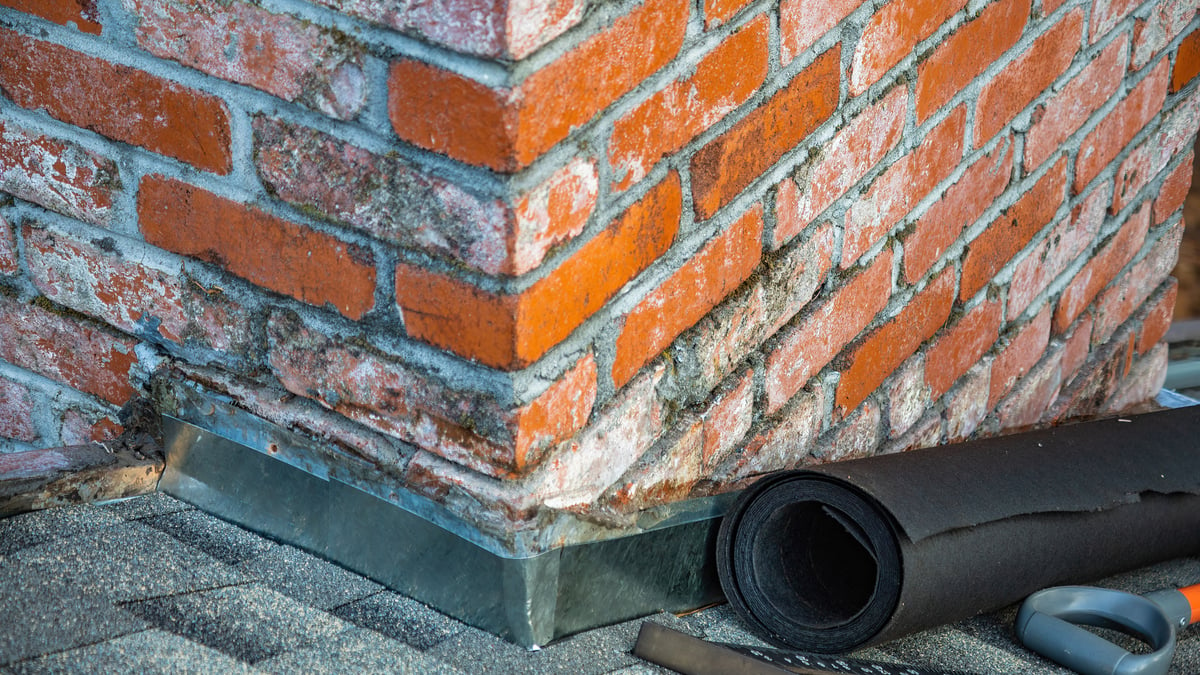
Inspect the roof from the ground first, then from a ladder only if conditions are safe. Look for missing shingles, curled edges, cracked tabs, loose flashing around chimneys or vents, and sealant that has split apart.
These are common failure points because they take the most weather stress. A small gap can let in enough water to cause a much bigger interior problem.
What damage matters most
Pay extra attention to any place where different materials meet. Roof valleys, vent pipes, skylight edges, and chimney joints can all let water in if the seal breaks.
Step 3: Make a safe temporary patch
If water is still coming in, make a short-term fix right away. Clean the area, remove loose debris, and dry it as much as you can. Then apply roofing cement to small cracks or cover the damaged spot with a tarp if the opening is larger.
Use roofing nails only where they will not create new leak points. If a shingle is lifted but not torn, you may be able to seal it back down with roofing cement under the edges.
Step 4: Replace one damaged shingle the right way
If the damage is limited to one or two shingles, a replacement can be straightforward. Lift the tabs above the damaged piece, remove the nails, slide out the old shingle, and place the new one in the same position.
Match the size and style as closely as you can. Then nail the new shingle in place and seal the tabs above it so wind cannot lift them. A neat repair blends in and sheds water the way the roof was meant to.
When should you call a professional?
Call for help if the roof is steep, the leak is active, the decking feels soft, or damage covers more than one small spot. Those signs can mean the problem is deeper than a simple surface fix.
A pro should also step in if flashing is badly bent, shingles keep blowing off, or you are not sure the patch will hold. For direct help, see our roof repair service and ask for an inspection.
Step 5: Check your repair after the next rain
After the weather clears, check the same area again. Look for fresh stains, damp insulation, or water at the repair site. A good fix should stay dry and stable after a normal rain.
If the area still leaks, the problem may be higher up the roof or tied to flashing, ventilation, or hidden decking damage. In that case, do not keep stacking patches on top of the same issue.
How to keep small roof problems from coming back
Simple upkeep can help you avoid repeat leaks. Check your roof from the ground a few times a year, especially after storms, and clear away debris that traps water.
Keep gutters open, trim back branches that scrape the roof, and watch for loose tabs or cracked sealant. Small checks take less time than interior repairs and help you catch trouble early.
Roof Repair FAQs
How do I know if my roof leak is from shingles or flashing?
Shingle leaks often show up as missing, curled, or cracked pieces on the roof surface. Flashing leaks usually appear near chimneys, vents, skylights, or wall joins. Inside stains can help you narrow it down before you inspect outside.
Can I patch a roof leak from inside the attic?
An attic patch can slow dripping for a short time, but it does not fix the outside entry point. Use it only as a temporary step while you find the source and make a proper repair on the roof surface.
How long does a small roof repair usually last?
A careful repair can last for years if the damaged area is small and the rest of the roof is in good shape. The result depends on the materials used, how well the area was sealed, and whether nearby parts are failing too.
What roof damage should I never fix myself?
Do not try to fix steep roofs, soft decking, large leak areas, or damage near electrical lines. Those jobs are harder to make safe and can get worse if the wrong materials are used. A pro can inspect and repair them more safely.
Stop Small Roof Damage Before It Spreads
A small leak can turn into ceiling damage fast, but a careful inspection and quick patch can limit the problem. Use the steps above to find the source, make a short-term fix, and judge the size of the repair. If the damage is active or hard to reach, ask for a free quote and let us handle it.
The owner of Baber Enterprises Inc. brings a hands-on perspective to every post, drawing from real field experience and a deep understanding of local service work. Their writing shares practical insights, useful advice, and a straightforward view of the challenges and solutions that matter most to customers.