Is your building roof leaking, bubbling, or sending water into the walls? Commercial roof repair starts with a safe check of the problem area, a look at seams and flashing, and a quick plan to stop more water from getting in. If the damage is small, you may spot the source and make a simple patch plan. If the leak is active, spread out, or tied to flashing, drainage, or membrane damage, call a roofer for a full repair plan.
This guide shows you how to inspect the roof, find common damage, and decide what can wait and what cannot. It also explains when to move from a quick fix to professional help from Test Two Interactive.
Step 1: How do you inspect a commercial roof safely?
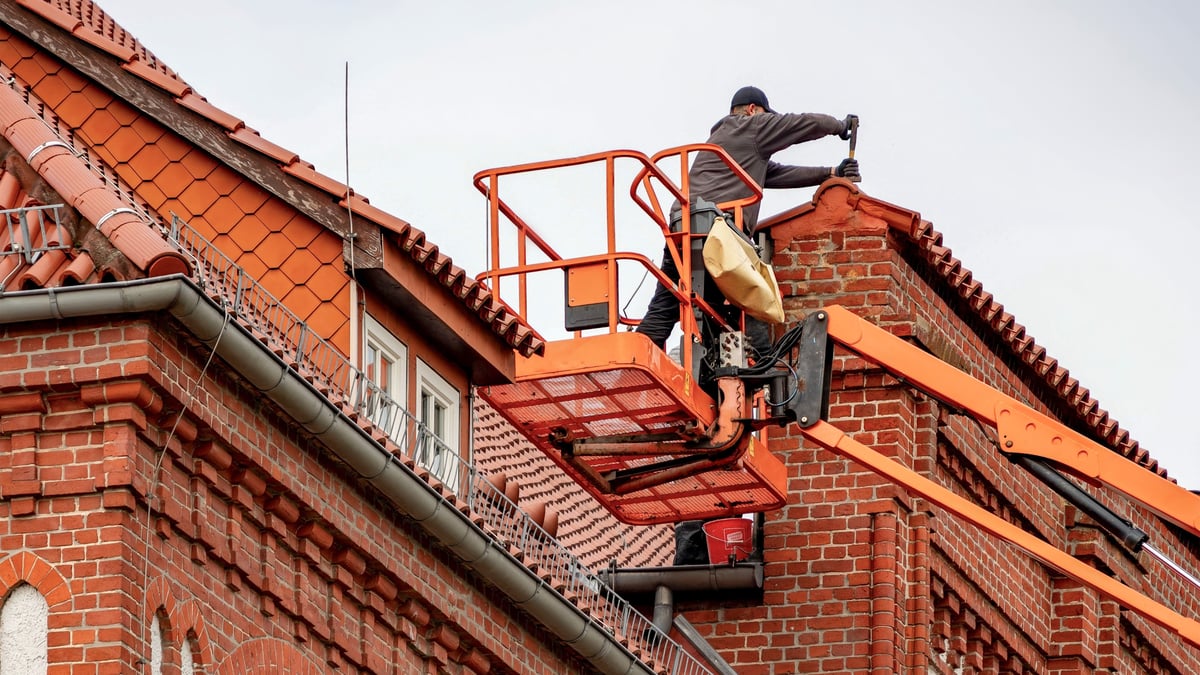
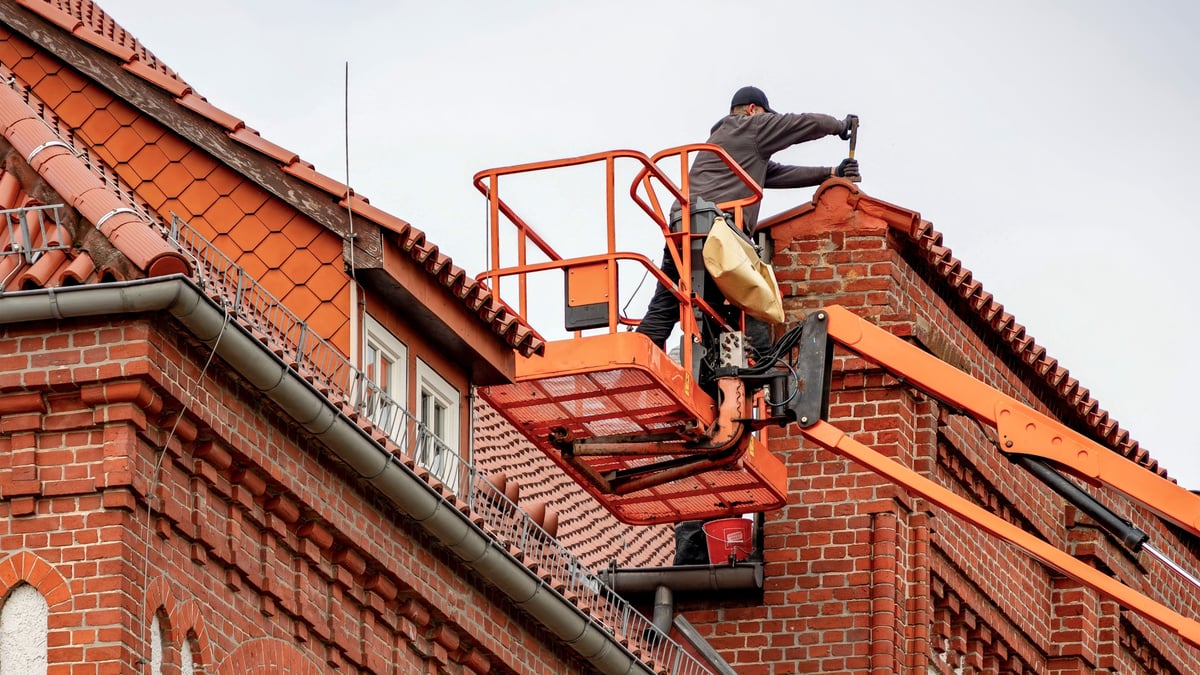
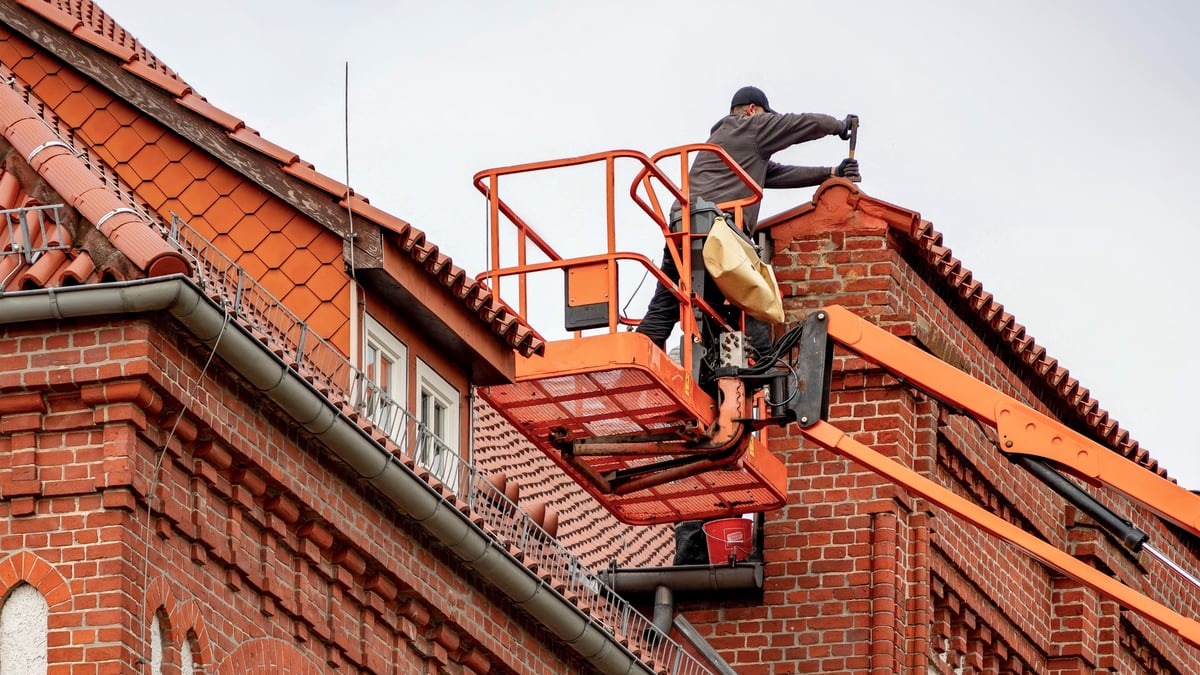
Start with a ground-level check, then go up only if you can do it safely. Look for puddles, stains, loose parts, and spots where water may be getting in. A careful inspection helps you find the leak source before you make a repair plan.
If the roof is wet, steep, damaged, or hard to reach, stop there. Safety comes first. Many roof problems hide behind surface wear, so use a flashlight, take notes, and mark the trouble spots you can see from below.
What should you look for first on the roof?
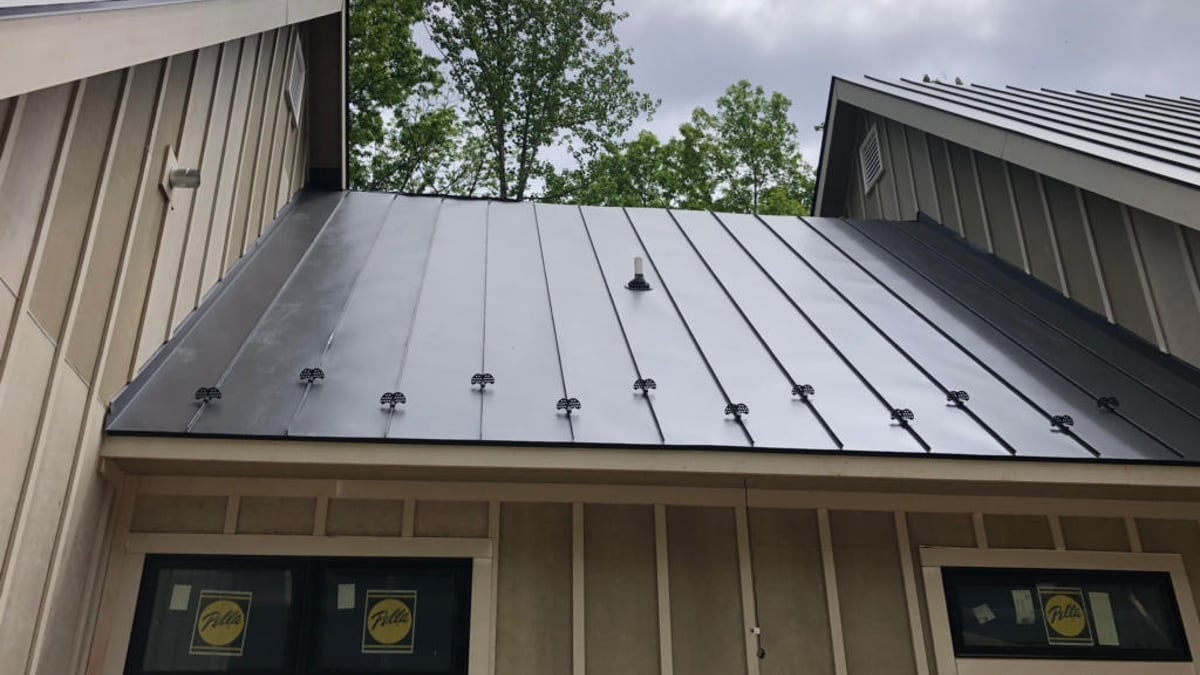
Focus on the parts that fail first. Seams, flashing, drains, vents, and penetrations are common leak points on flat and low-slope roofs. If one of these areas opens up, water can travel far from the entry point before it shows inside.
Check for cracked sealant, loose metal, torn membrane, rust, and debris blocking drainage. In Staunton, VA, even a small opening can turn into a bigger repair if water keeps moving through the roof layers.
Why seam checks matter.
Seams hold the roof together. When they split, water gets under the surface and spreads. That often makes the leak harder to find and the repair more involved.
Step 3: How do you clear water and debris before repairs?
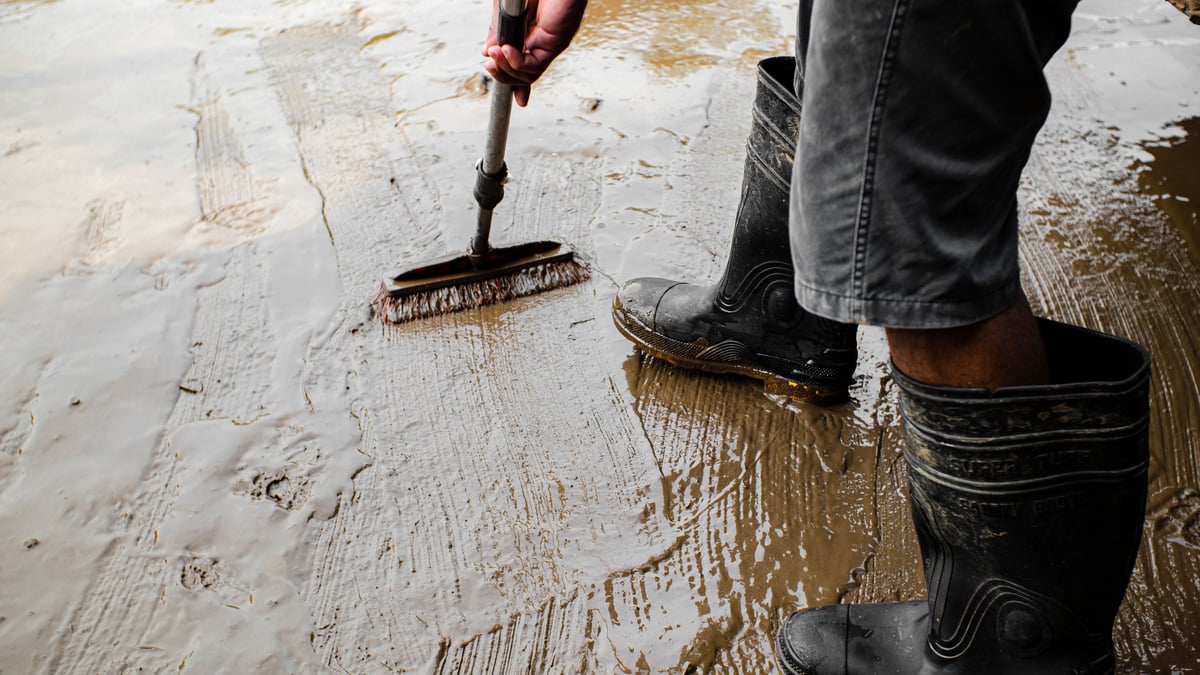
Remove leaves, dirt, and any loose debris so you can see the roof surface. Then clear drains and scuppers if they are blocked. Standing water can hide damage and keep the wet area growing.
If water is ponding in the same place, the roof may have a slope issue or a blocked drainage path. That means a patch alone may not solve the problem. Fix the flow first so the repair has a better chance to hold.
What repair can you make yourself?
Small, visible damage may allow a simple temporary patch if the roof is dry and safe to reach. That can include minor surface splits, a tiny hole, or a lifted edge at a seam. Clean the area well before any patch goes on.
Use only products made for the roof material you have. A good patch must bond to a clean, dry surface. If the damage keeps spreading, the membrane feels soft, or you see water inside, stop and get help from a commercial roofer.
Common roof types may need different fixes.
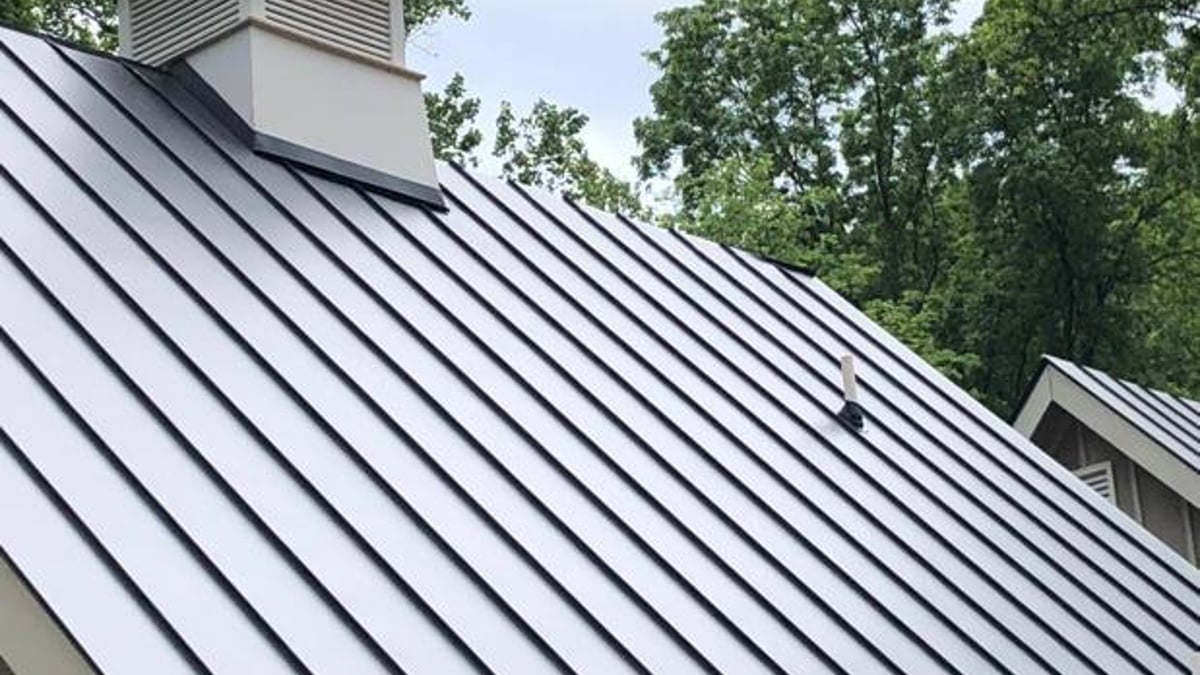
Metal roofs, membrane roofs, and built-up systems each need their own repair method. A patch that works on one surface may fail on another. Matching the repair to the roof type helps the fix last longer.
When should you call a professional?
Call a professional if the leak is active, the damage covers a wide area, or you cannot find the source. You should also get help if the roof has several problem spots, soft decking, or repeated leaks after a patch.
Our commercial roof repair service at Test Two Interactive helps you move from guesswork to a clear repair plan. We can inspect the roof, find the cause, and fix the damage before it turns into a bigger project.
How can you prevent the same leak from coming back?
The best repair is the one that stays dry. After the fix, keep the roof clear, watch for ponding water, and check seams after major storms. Small roof issues are easier to manage when you catch them early.
Set a simple inspection habit. Look over the roof a few times a year, and always check it after heavy rain. That habit helps you spot wear before it becomes a costly interior problem.
Why follow-up checks matter.
A roof can look fixed on day one and still fail later if water keeps pooling or movement opens a seam again. Follow-up checks help you catch a weak repair before it spreads.
What you'll need before you start
Gather your tools before you go on the roof. That keeps the job short and helps you avoid extra trips up and down. If you are only inspecting, you may need less gear than if you are making a small patch.
Common Questions
How do I know if my commercial roof leak is serious?
A leak is serious if water keeps returning, spreads across the ceiling, or appears near electrical areas, walls, or structural spots. Repeated leaks can mean damage under the surface, not just a small top-layer issue.
Can I patch a commercial roof myself?
You can patch small, visible damage only if the area is dry, safe to reach, and made from a material you can match. If the roof is wet, wide open, or soft underfoot, a pro should handle it.
What causes most commercial roof leaks?
Most leaks start at seams, flashing, drains, or damaged membrane areas. Debris and standing water can make those weak spots worse. A careful inspection helps you find the real entry point before you repair the wrong area.
How often should a commercial roof be checked?
A good habit is to check it a few times a year and after major storms. Regular checks help you catch loose seams, clogged drains, and early wear before small problems turn into interior damage.
Fix small problems before they spread
A commercial roof repair starts with a safe inspection, a clear look at seams and flashing, and a simple plan for the damage you can see. If the problem is larger than a small patch, let us help with a full repair plan. For buildings in Staunton, VA, we can help you protect the roof and the space below it.
The owner of Baber Enterprises Inc. brings a hands-on perspective to every post, drawing from real field experience and a deep understanding of local service work. Their writing shares practical insights, useful advice, and a straightforward view of the challenges and solutions that matter most to customers.